FROM MINERALs EXPLORATION TO EXTRACTION

Groundwater Investigation through Passive Source Electromagnetic Techniques
GRMEC
12/10/20252 min read
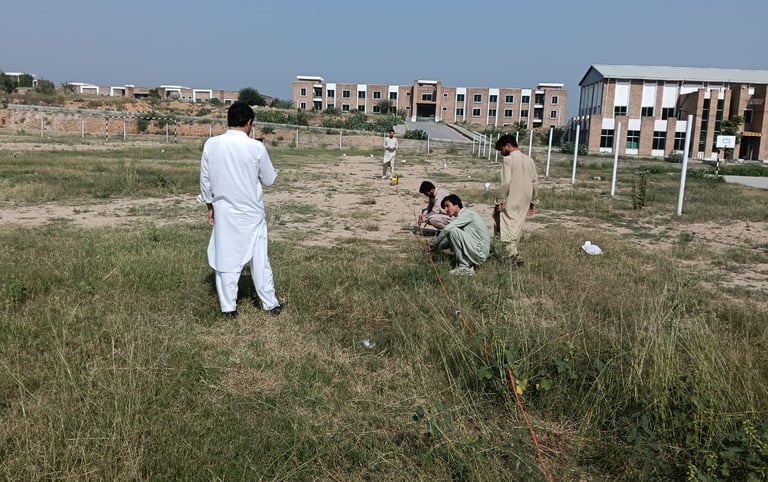
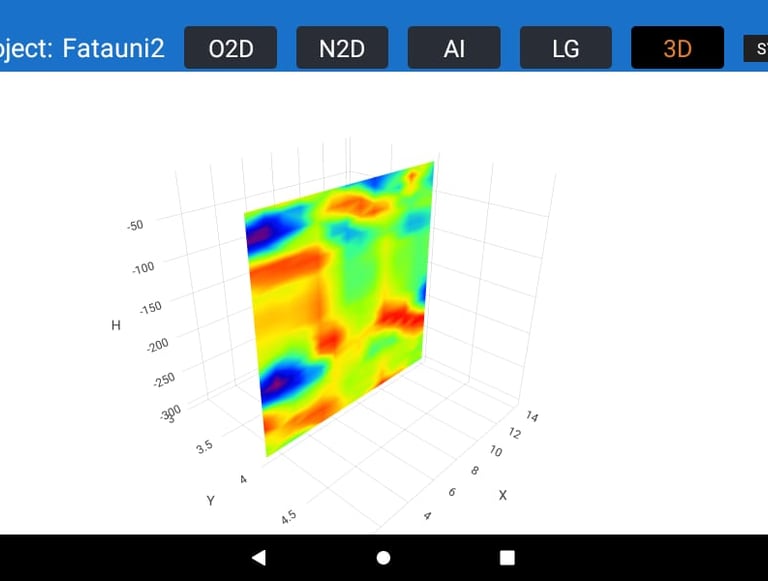
FATA University proudly announces a One-Day Workshop on “Groundwater Investigation through Passive Source Electromagnetic Techniques”, offering students, researchers, and professionals an exceptional opportunity to gain both theoretical understanding and practical experience in one of the most advanced approaches to groundwater exploration.
Groundwater is a vital natural resource that supports life, agriculture, and ecosystems. In regions where surface water is scarce, identifying and managing groundwater reserves becomes crucial. This workshop is designed to equip participants with the latest scientific knowledge, analytical skills, and field-based practices to investigate subsurface water resources using passive source electromagnetic (EM) techniques—a modern, non-invasive, and environmentally sustainable method.
Workshop Objectives
The primary aim of this workshop is to introduce participants to the principles, methodologies, and applications of passive electromagnetic techniques for groundwater exploration. Through a combination of lectures, demonstrations, and hands-on exercises, participants will:
Learn the theoretical foundations of electromagnetic methods used in geophysical surveys.
Understand how natural electromagnetic fields can be used to study groundwater systems.
Gain practical experience in EM data acquisition, processing, and interpretation.
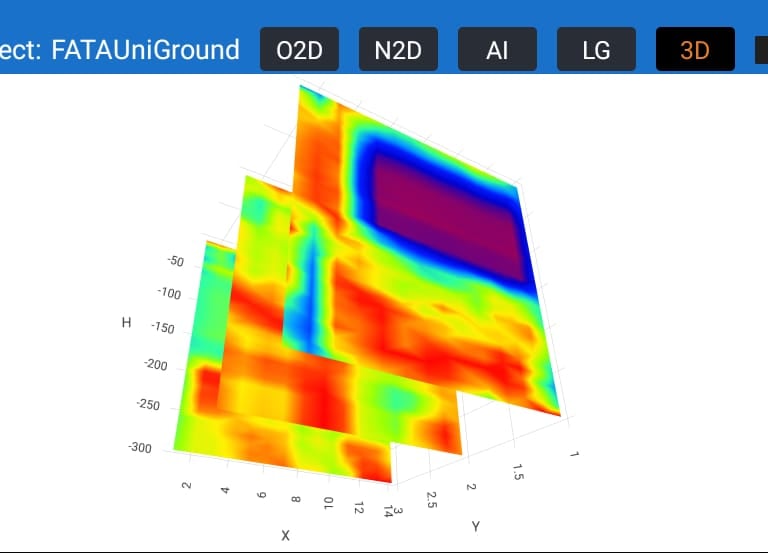
Work on real or simulated datasets to create subsurface maps and identify aquifers.
Explore case studies highlighting successful applications in different geological settings.
By the end of the workshop, students will not only have a solid theoretical base but also practical skills to apply these techniques in research and fieldwork.
Why Passive Source Electromagnetic Techniques?
Unlike traditional groundwater exploration methods that rely on drilling or resistivity surveys, passive electromagnetic techniques use naturally occurring electromagnetic fields to infer subsurface properties. This approach is non-destructive, cost-effective, and capable of covering large areas with high spatial detail.
Passive EM methods are particularly useful for:
Locating freshwater aquifers and distinguishing them from saline zones.
Mapping geological layers and fault structures that control groundwater flow.
Monitoring recharge zones and contamination in groundwater systems.
These features make passive EM techniques an increasingly preferred choice for hydrogeological investigations and environmental studies worldwide.